Unitree Robotics
H2 Plus
Analyst summary
At a glance
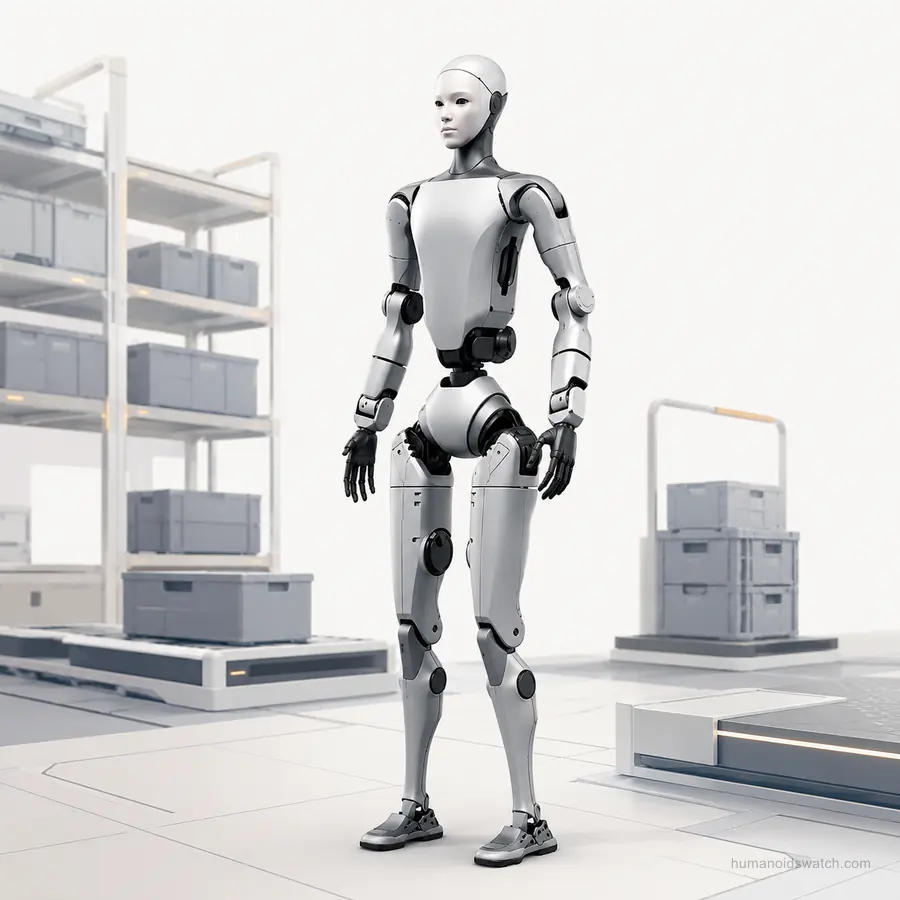
H2 Plus is a full-size bipedal humanoid from Unitree Robotics, positioned as an integrated R&D platform with NVIDIA Jetson Thor compute and whole-body control across 75 degrees of freedom. It features dual dexterous hands and supports secondary development within the NVIDIA Isaac ecosystem. Named customer deployments are not clearly disclosed.
Evidence signal
Deployments
0 linked deployments
No published deployments are linked to this robot yet.
Profile basics
Specifications
- Robot type
- Full-size bipedal humanoid
- Height
- 1.82 m
- Weight
- 70 kg
- Payload
- 7 kg
- Speed
- n/a
- Runtime
- 3 h
- Locomotion
- Bipedal
- Manipulation
- Two arms with hands
- Degrees of freedom
- 75 DoF
- Autonomy / control
- Autonomy disclosed, level not specified
Profile context
Description
The H2 Plus is Unitree Robotics' flagship full-size humanoid robot, building on the company's earlier H1 platform and its broader expertise in high-performance quadruped robots. Standing 1.82 meters and weighing approximately 70 kilograms, the H2 Plus integrates NVIDIA Jetson Thor with 2,070 FP4 TFLOPS of onboard AI compute, positioning it within the NVIDIA Isaac GR00T ecosystem for embodied AI development. The robot features 75 total degrees of freedom, including 22 active DOF in each optional SharpaWave dexterous hand, and a rated arm payload of 7 kilograms. At a vendor-stated price of $100,000, the H2 Plus targets research labs, industrial automation developers, and organizations building embodied intelligence on humanoids. Its public positioning emphasizes development capability more than production deployment readiness, consistent with the evolving state of the humanoid robots market.
Public deployment evidence for the H2 Plus remains limited. Unitree has demonstrated the robot in controlled environments and at industry events, including NVIDIA GTC, where the H2 Plus appeared as part of the Isaac GR00T ecosystem showcase. The company positions the platform for integrated R&D and secondary development, suggesting it is primarily a development-stage humanoid rather than a commercially deployed product. No named customer deployments, production-scale pilots, or confirmed field trials with industrial end users are clearly disclosed in the public record. Unitree's established manufacturing capability and supply chain, demonstrated through its commercial quadruped robot business, provide some credibility, but buyers should assess whether the H2 Plus has moved beyond demonstration into repeatable operating environments. The platform's NVIDIA Isaac integration supports simulation-to-reality transfer, which may accelerate future deployment readiness.
The H2 Plus may be most relevant for research institutions, industrial R&D labs, and organizations developing embodied AI that need a full-size bipedal humanoid platform with high onboard compute. Its NVIDIA Jetson Thor integration and Isaac GR00T ecosystem compatibility make it a strong candidate for teams building and training embodied models rather than for end users expecting turnkey automation. The 7-kilogram rated payload and approximately 3-hour runtime suggest suitability for light manipulation tasks and indoor mobility use cases, while the dual dexterous hands enable advanced grasping research. At $100,000, the price positions the H2 Plus toward well-funded labs and industrial development programs. Practical assessment should weigh the platform's technical sophistication against the absence of demonstrated production reliability data and the integration effort required for specific operational tasks.