Figure AI
Figure 02
Analyst summary
At a glance
Figure 02 is a general-purpose humanoid robot from Figure AI, positioned for industrial material handling, logistics, and manufacturing support. Public information indicates dexterous manipulation and AI-driven autonomy, while deployment evidence is limited to controlled demos and partnership announcements rather than confirmed customer rollouts.
Evidence signal
Deployments
1 linked deployments
BMW Group
Automotive Body-Shop Handling
Profile basics
Specifications
- Robot type
- Biped humanoid
- Height
- n/a
- Weight
- n/a
- Payload
- n/a
- Speed
- n/a
- Runtime
- n/a
- Locomotion
- Biped locomotion
- Manipulation
- Dexterous manipulation
- Degrees of freedom
- n/a
- Autonomy / control
- AI-assisted task execution
Profile context
Description
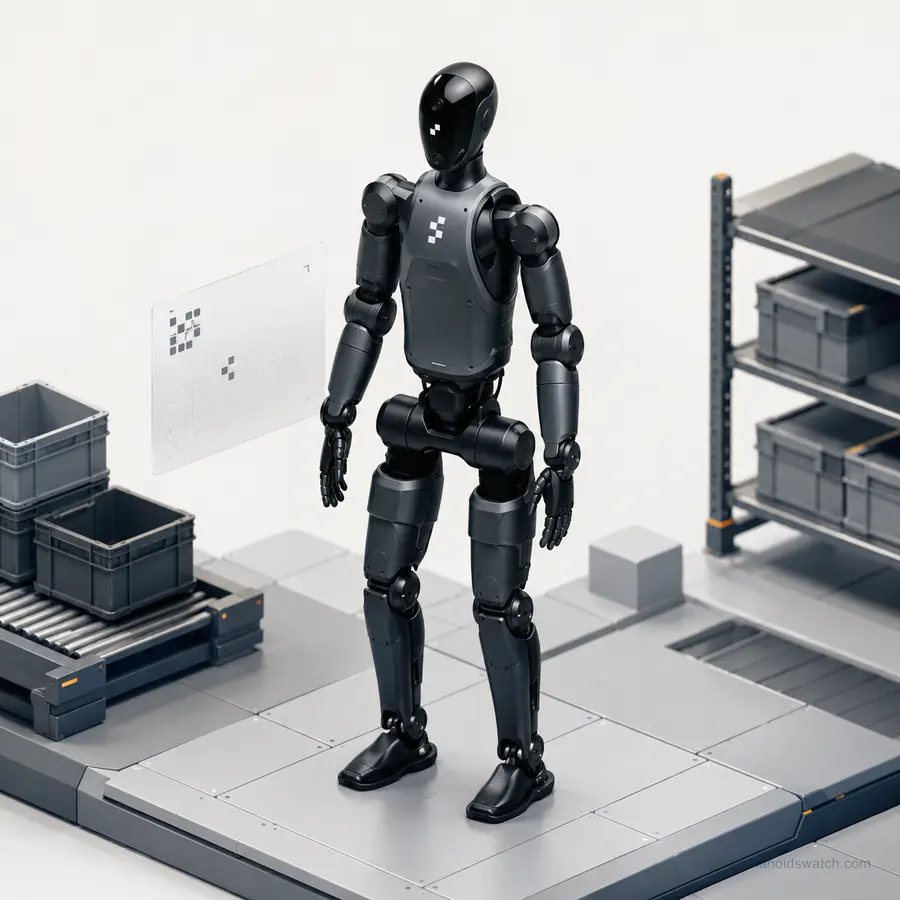
Figure 02 is the second-generation humanoid robot from Figure AI, a company that emerged rapidly as one of the more visible entrants in the humanoid robots market. The robot features a full bipedal form factor with dexterous hands and an onboard AI system designed to interpret natural-language instructions and perform manipulation tasks. Figure AI has publicly positioned Figure 02 for structured industrial environments such as warehouses and manufacturing lines, with early footage showing the robot picking, placing, and handling objects in controlled settings. The company has announced corporate partnerships, including a notable collaboration with a major automotive manufacturer. Compared with other humanoids in this category, Figure 02's public profile emphasizes tight integration between physical dexterity and conversational AI, though independent deployment evidence remains limited.
Public deployment evidence for Figure 02 remains limited. As of mid-2026, Figure AI has shown the robot in controlled demonstrations and shared videos of Figure 02 performing tasks inside a facility operated by a major automaker, but named customer deployments, confirmed pilot programs, and commercial contracts have not been broadly disclosed in verifiable public records. The company stated an intent to ship commercial units, yet the public record is stronger on technical positioning and strategic partnerships than on buyer-visible field deployment. Observers should distinguish between high-profile announcements and repeatable operating evidence. While Figure 02 is one of the higher-visibility humanoid robot platforms, the gap between controlled demonstrations and buyer-visible deployment maturity remains a central question for procurement teams evaluating industrial humanoids.
Figure 02 may be most relevant for manufacturing and logistics operators exploring general-purpose humanoid robots for material handling, kitting, or line-side support where existing automation is difficult to deploy. Its dexterous hands and AI-driven task interpretation suggest an intent to address tasks that require flexibility rather than fixed automation cycles. Buyers should evaluate real-world runtime, payload consistency, safety certification status, and integration burden for their specific environments. Fit is likely strongest for organizations running advanced automation R&D programs or participating in early-access partnerships, rather than for buyers seeking a procurement-ready solution today.