Boston Dynamics
Atlas
Analyst summary
At a glance
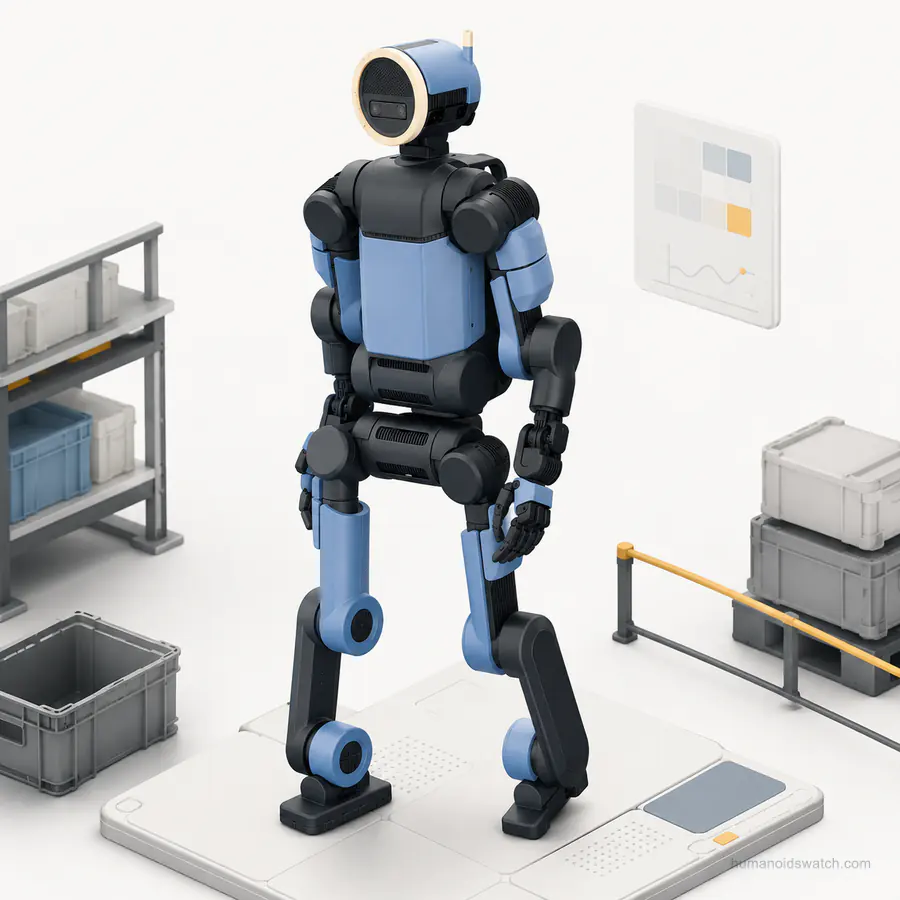
Atlas is Boston Dynamics’ electric full-size bipedal humanoid, positioned as a high-capability R&D and pre-commercial platform for industrial automation. Public information highlights advanced mobility, manipulation, and Hyundai-backed development, while named customer deployments remain limited.
Evidence signal
Deployments
0 linked deployments
No published deployments are linked to this robot yet.
Profile basics
Specifications
- Robot type
- Full-size bipedal humanoid
- Height
- 1.90 m
- Weight
- 90 kg
- Payload
- 50 kg
- Speed
- n/a
- Runtime
- 4 h
- Locomotion
- Bipedal
- Manipulation
- Two arms with hands
- Degrees of freedom
- 56 DoF
- Autonomy / control
- Task-level autonomy
Profile context
Description
Atlas is Boston Dynamics' flagship humanoid, redesigned in 2024 as an all-electric platform replacing the earlier hydraulic version. The robot combines bipedal locomotion with two dexterous hands and task-level autonomy, drawing on decades of dynamic robotics research. Its 56 degrees of freedom enable athletic motion capabilities unusual for humanoids, including backflips and complex whole-body maneuvers in controlled settings. The robot carries a 50 kg payload and operates for approximately four hours with auto-swap battery support. Boston Dynamics, acquired by Hyundai in 2021, positions Atlas alongside its Spot and Stretch robots within a broader industrial automation portfolio. Atlas remains primarily a development platform rather than a volume-production product, with public demonstrations emphasizing technical capability over specific commercial deployment narratives.
Atlas has been publicly demonstrated in controlled lab environments since its all-electric unveiling in April 2024, including manipulation tasks like moving automotive parts. Boston Dynamics has stated commercial intent for Atlas but has not disclosed named customer deployments or production-scale pilots. Hyundai's ownership provides access to automotive manufacturing environments for testing, and early concept videos show parts-handling sequences suggestive of logistics and assembly use cases. However, no confirmed deployments, commercial contracts, or multi-unit field operations have been publicly documented as of mid-2026. Deployment maturity is early-stage: the robot exists in prototype-to-pre-commercial form with strong technical foundations but unproven operational reliability at customer sites.
Atlas suits early-technology buyers with R&D budgets, academic or industrial research labs, and large manufacturers running internal automation exploration programs. Its dynamic mobility differentiates it for environments with stairs, uneven terrain, or complex reach requirements where wheeled or tracked platforms are impractical. The estimated price range places it at the premium end of emerging humanoids, though significant procurement cost uncertainty remains without vendor-confirmed pricing. Buyers should treat Atlas as a development platform requiring engineering integration effort rather than a turnkey workforce solution. Practical fit improves for organizations already within the Hyundai supply chain or those with existing Boston Dynamics robot experience, where vendor support pathways are more established.