WIRobotics
ALLEX
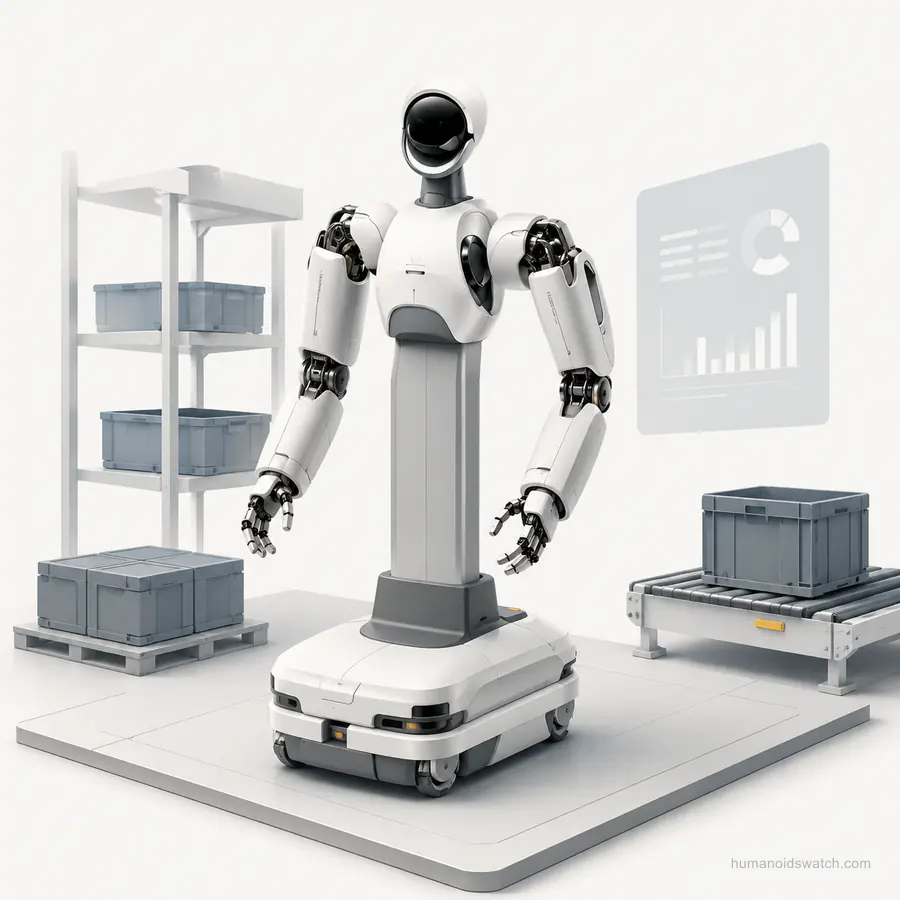
Analyst summary
At a glance
ALLEX is a stationary humanoid-torso robot from WIRobotics, positioned for general-purpose upper-body manipulation in industrial and research settings. Public information highlights a 15-DOF hand with compliant manipulation, while the platform operates without a lower body. Deployment and procurement evidence remains limited.
Evidence signal
Deployments
0 linked deployments
No published deployments are linked to this robot yet.
Profile basics
Specifications
- Robot type
- Stationary humanoid torso
- Height
- n/a
- Weight
- n/a
- Payload
- n/a
- Speed
- n/a
- Runtime
- n/a
- Locomotion
- Stationary
- Manipulation
- Two arms with hands
- Degrees of freedom
- n/a
- Autonomy / control
- n/a
Profile context
Description
ALLEX is a stationary humanoid upper-body platform developed by WIRobotics, a South Korean robotics company. The robot takes the form of a fixed torso with two arms and dexterous hands, designed for manipulation tasks without lower-body locomotion. Its 15-degree-of-freedom compliant hands deliver 40 N of fingertip force and a 30 kg hook grip, suggesting a design focus on fine manipulation and tool handling. ALLEX joins a growing class of stationary humanoids that prioritize upper-body dexterity over full-body mobility, targeting applications where arms and hands matter more than legs. Public documentation positions the platform as a general-purpose manipulation system, though detailed information about autonomy, runtime, and production maturity remains sparse.
Public deployment evidence for ALLEX remains limited. WIRobotics has presented the platform as a general-purpose humanoid upper body, but named customer deployments, confirmed pilots, or commercial rollouts are not clearly disclosed in available public sources. The product page and related materials describe technical capabilities and design intent without detailing field operating history or buyer adoption. As a stationary torso platform, ALLEX sits in a category where deployment paths can be narrower than those for full-body mobile humanoid robots, since fixed manipulation systems must be tightly integrated into existing workcells. Buyers assessing ALLEX should distinguish between the publicly demonstrated technical capability and the absence of documented operating track record in production environments.
ALLEX may be most relevant for structured industrial manipulation tasks where a fixed upper-body humanoid robot can replace or augment human operators at workstations, inspection points, or assembly stations — settings where humanoid robots offer dexterity without the complexity of locomotion. The stationary form factor reduces mobility complexity but limits the robot to tasks reachable from a single mounting position. The 15-DOF hands with compliant gripping suggest suitability for precision assembly, quality inspection, or material handling of moderate-weight objects. Buyers should evaluate integration requirements carefully: ALLEX needs to be mounted or placed within an existing process, and the absence of disclosed autonomy specifications means control architecture and programming effort remain open questions.